
Are We Eating Machinery Lubricant? The Truth About Seed Oils the Juice Lady Explains
Are seed oils really healthy? Vince Ferguson sits down with “The Juice Lady” Cherie Calbom to explore seed oils, inflammation, healthy fats, juicing, nutrition and practical strategies for healthier aging after 40.

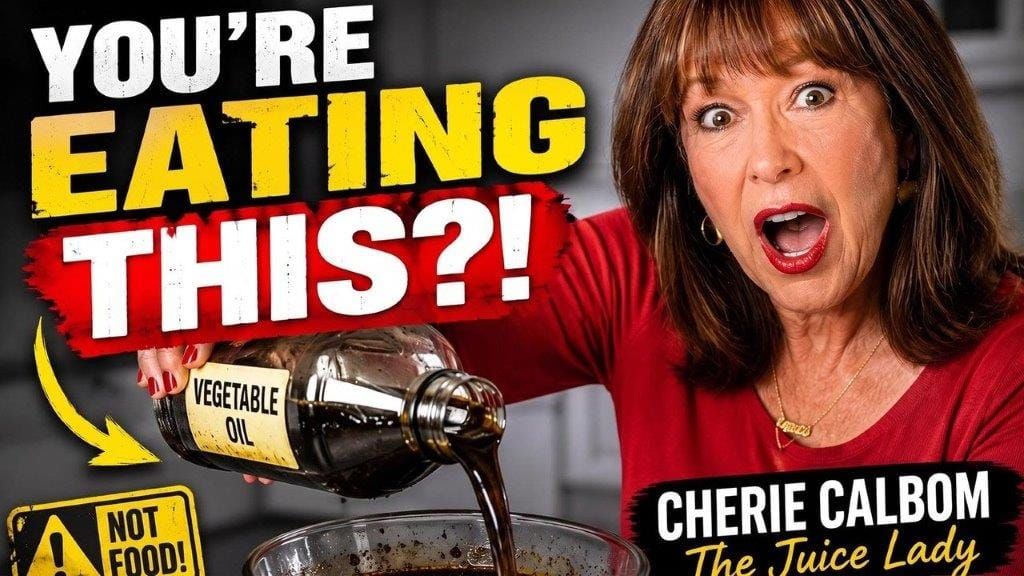
Vince Ferguson sits down with “The Juice Lady” Cherie Calbom to explore seed oils, nutrition, juicing, inflammation and healthy aging after 40.
The conversation around seed oils has become impossible to ignore.
Walk through almost any grocery store and you'll find canola oil, soybean oil, corn oil, sunflower oil, safflower oil, grapeseed oil and cottonseed oil in everything from salad dressings and sauces to packaged snacks and restaurant foods.
But are these oils as healthy as we've been told? Or have we overlooked important questions about how highly processed oils fit into our diets?
That is the subject of a fascinating conversation on Six Weeks to Fitness with Vince Ferguson, where Healthspan Coach Vince Ferguson sits down with renowned whole-food nutritionist Cherie Calbom, known worldwide as “The Juice Lady.”
The Seed Oil Debate
Seed oils have become one of the most controversial subjects in nutrition.
Supporters point to their affordability, availability and unsaturated-fat content. Critics question the processing involved in producing some commercial seed oils and raise concerns about how they are used in the modern food supply.
During the interview, Calbom and Ferguson explore why some health advocates have become concerned about the potential relationship between highly processed oils, dietary patterns and inflammation.
The conversation even examines the provocative comparison some critics make between certain industrially processed oils and machinery lubricant. That phrase certainly gets your attention.
But the larger question is more important: What are we putting into our bodies every day, and do we really understand what we're eating?
Inflammation and Healthy Aging
As we move beyond 40, nutrition becomes an increasingly important part of the healthy-aging conversation.
Healthspan isn't simply about living longer. It's about maintaining the strength, mobility, energy and independence necessary to enjoy those additional years.
Inflammation is frequently discussed in conversations about aging and chronic disease, although the relationship between specific foods, dietary fats and inflammation is complex. Diet is only one piece of the larger health picture.
Sleep, physical activity, stress management, body composition, genetics and other lifestyle factors also play important roles. That's why conversations like this can be valuable. They encourage us to ask better questions about the choices we make every day.
Not All Fats Are Created Equal
Another important theme in the conversation is the difference between various types and sources of dietary fats. Rather than labeling every fat as simply “good” or “bad,” consumers can learn to recognize the different sources of fat in their diets.
Foods such as avocados, nuts, seeds and olives provide unsaturated fats along with other nutrients. Fatty fish such as salmon, sardines and mackerel are also excellent sources of omega-3 fatty acids.
The bigger question may be what those foods are replacing. Choosing more whole and minimally processed foods can be a practical step toward improving overall dietary quality.
Juicing vs. Smoothies
As The Juice Lady, Cherie Calbom has spent decades educating people about juicing and whole-food nutrition. But juicing isn't simply about throwing fruits and vegetables into a machine and drinking whatever comes out.
Calbom discusses the differences between juicing and smoothies, including an important consideration that many people overlook: sugar.
Fruit can be nutritious, but drinking large quantities of fruit juice can provide a substantial amount of naturally occurring sugar while containing less fiber than whole fruit.
Vegetable-focused juices can be one way to incorporate a variety of vegetables into the diet. At the same time, whole fruits and vegetables remain important sources of fiber and other nutrients.
The takeaway isn't that everyone needs to juice.
It's that how we consume our food matters.
What Should Adults Over 40 Be Eating?
There is no single perfect diet for everyone.
But there are practical principles that can help many adults as they move through their 40s, 50s, 60s and beyond.
Think whole foods first. Build meals around colorful vegetables. Include quality protein. Choose nutritious sources of fat. Eat foods rich in omega-3 fatty acids. Pay attention to added sugars and highly processed foods.
Stay hydrated. And don't forget the importance of regular physical activity and strength training. Most importantly, don't look for one magic ingredient—or one ingredient to blame for everything.
Healthy aging is built through consistent habits over time.
A Conversation Worth Watching
The conversation between Vince Ferguson and Cherie Calbom isn't simply about seed oils. It's about becoming more intentional about nutrition. It's about questioning the ingredients in the foods we purchase.
It's about understanding the difference between whole foods and highly processed foods. And it's about recognizing that what we eat can be part of a much larger strategy for maintaining our health, strength and independence as we age.
For adults over 40, that conversation matters. Because the goal isn't simply to add years to your life.
The goal is to add life to your years.
Watch the Full Interview
Hear Vince Ferguson and Cherie Calbom discuss seed oils, inflammation, juicing, healthy fats, nutrition and healthy aging in this episode of Six Weeks to Fitness.
Watch the full interview on YouTube:
About Cherie Calbom — “The Juice Lady”
Cherie Calbom is a whole-food nutritionist internationally known as The Juice Lady.
She is the author of 36 books, including the bestselling Juicing for Life, and has spent decades educating audiences about juicing, nutrition and healthy living.
Her work has helped make juicing and whole-food nutrition accessible to audiences around the world.
Learn more about Cherie and her work at JuiceLadyInfo.com and follow her on social media at @JuiceLadyCherie.
About Six Weeks to Fitness
Six Weeks to Fitness with Vince Ferguson brings conversations, education and practical strategies to adults 40+ who want to remain strong, energized, active and independent.
Through conversations with health, wellness and fitness professionals, Vince explores ideas that can help adults take a more proactive approach to their healthspan.
VINCE is about more than fitness. It's about living stronger for longer.
Editorial note: This article discusses topics raised during the interview and is intended for educational and informational purposes. It is not medical advice. Individual nutritional needs vary, and readers should consult a qualified physician, registered dietitian or other appropriate healthcare professional regarding personal health and dietary decisions.