Healthspan Is the New Status Symbol in Wellness

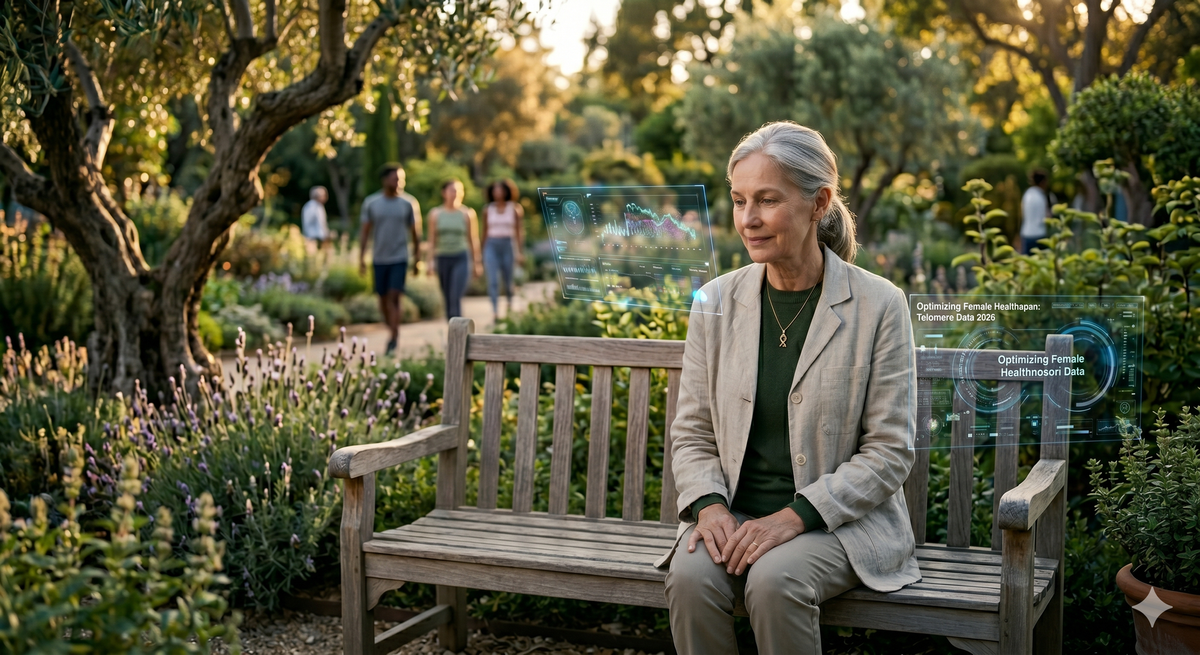
The language of aging is changing. In the new luxury wellness conversation, the goal is no longer simply to live longer — it is to stay vibrant, capable, and visibly well for as many of those years as possible.
That is why healthspan has become such a powerful idea. It speaks to a more refined ambition than longevity alone: preserving energy, clarity, movement, and independence as the years go by. In a market crowded with anti-aging promises, healthspan feels more modern because it is less about chasing youth and more about protecting quality of life.
The distinction between healthspan and lifespan is straightforward, but increasingly important. Lifespan is the total number of years a person lives. Healthspan is the portion of that life spent free from major illness or disability. Mayo Clinic describes healthspan as the years lived in good health, while Harvard Health emphasizes that the point is not just adding years, but adding better years.
That idea is reshaping the longevity market. Biological age tests, epigenetic tools, and cellular health products are becoming more prominent as consumers look for ways to measure, monitor, and optimize how they age. Market research also shows continued expansion in longevity diagnostics and longevity biotech, with epigenetic age testing emerging as a major category.
What makes this trend feel especially premium is the shift in tone. The conversation is moving away from aggressive anti-aging language and toward a more curated, personalized approach to wellness. Instead of promising to turn back time, brands are promising better recovery, stronger resilience, and a more graceful aging process.
Women’s health has become a key part of that story. Hormonal transitions such as perimenopause and menopause can affect sleep, metabolism, mood, and cardiovascular risk, yet they have often been underrepresented in mainstream longevity marketing. The growing emphasis on women’s healthspan reflects a more sophisticated understanding of aging — one that recognizes different bodies age differently and deserve different support.
Still, the foundation of healthy aging remains surprisingly familiar. Movement, sleep, nutrition, stress management, and preventive care continue to be the most reliable tools for extending the years people spend feeling well. The newer technologies may add personalization and insight, but they are complements, not replacements, for the basics.
The real appeal of the healthspan movement is that it aligns with a more elevated version of wellness. It is not about looking younger at any cost. It is about investing in a life that feels well-lived, long after the word “anti-aging” has lost its shine.
References
- Mayo Clinic research on the gap between lifespan and healthspan[newsnetwork.mayoclinic]
- World Health Organization life expectancy and healthy life expectancy data[who]
- Longevity diagnostics market outlook[grandviewresearch]
- Longevity biotech market report[researchandmarkets]
- Biological age testing market coverage[forbes]
- Mayo Clinic Q and A: Lifespan vs. healthspan[newsnetwork.mayoclinic]
Sources: Mayo Clinic, Harvard Health, WHO, and market research on longevity diagnostics and biotech.[grandviewresearch]